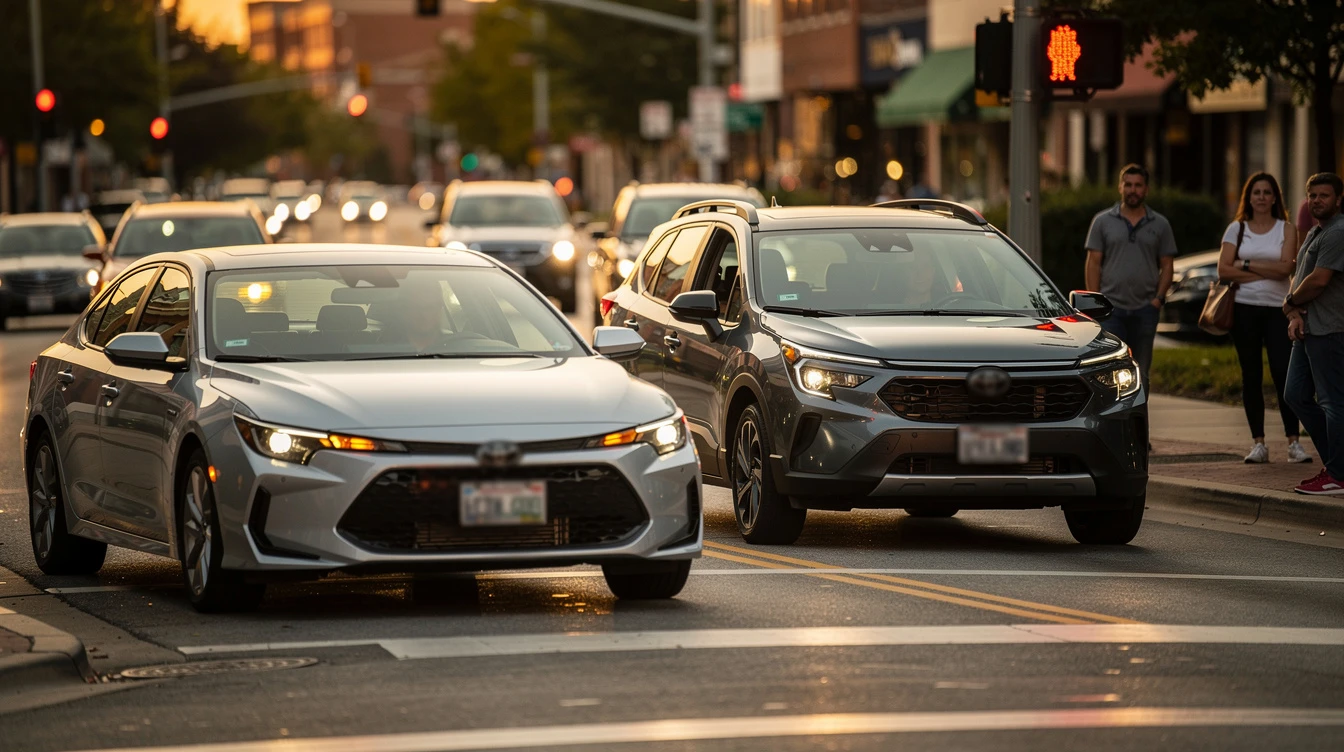
A vehicle is considered street legal in the US when it meets federal safety standards defined by the National Highway Traffic Safety Administration (NHTSA) and complies with individual state equipment and registration requirements. Owners must make sure their asset has a 17-digit Vehicle Identification Number (VIN) and specific components like headlights, turn signals, and mirrors before it can be registered for public road use.
Federal Safety Standards Define Basic Road Compliance
The NHTSA establishes the Federal Motor Vehicle Safety Standards (FMVSS) that all mass-produced passenger cars must meet before they can be sold for on-road use. These 49 CFR Part 571 standards include requirements for crash-worthiness, seat belt systems, and lighting efficiency. Vehicles built specifically for off-road use, such as dirt bikes and ATVs, often lack these factory-installed safety features, requiring modifications to reach road compliance.
Essential Components for Street Legal Conversions
Most states require specific hardware upgrades to permit an off-road vehicle on public asphalt. Without these components, local authorities will not approve a registration request for road use.
- DOT-approved lighting: High and low beam headlights, tail lights, and brake lights are mandatory.
- Turn signals: Functioning front and rear blinkers must be clearly visible.
- Mirrors: At least one driver-side mirror is required, though two are recommended.
- Horn: An audible warning device capable of being heard at 200 feet is necessary.
- Tires: DOT-rated rubber must replace off-road knobs for highway speed stability.
A more detailed breakdown is available in Street Legal Dirt Bike Kit: Everything You Need to Ride on the Road. This resource explains the specific hardware needed for off-road conversions.
State-Specific Registration Pathways Simplify Access
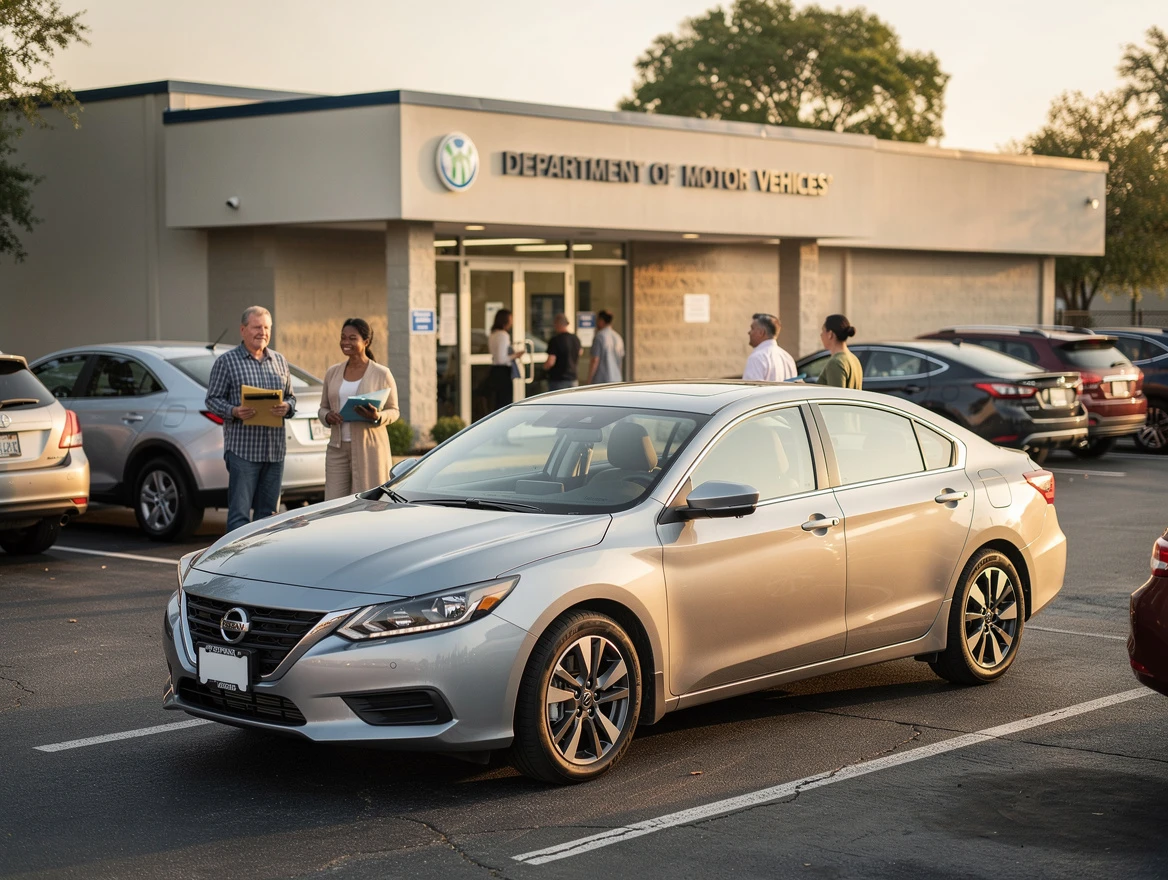
Each state maintains its own authority to register vehicles, leading to wide variations in how they process titles for non-traditional road vehicles. While some states prohibit certain ATVs from public roads regardless of equipment, others allow registration through an out-of-state filing, such as using a Montana LLC.
Ready to register your vehicle?
Join thousands of vehicle owners who use Street Legal Hookup to handle their registration quickly.
Get Street Legal →| Registration Factor | Standard State Procedure | Montana LLC Path |
|---|---|---|
| Sales Tax | 6% to 10% based on value | 0% (exempt) |
| Processing Time | 4 to 8 weeks | 2 to 4 weeks |
| Emissions Test | Often mandatory | Not required |
| Registration Renewal | Annual visits required | Remote renewal |
For those looking to understand the registration process for side-by-side vehicles, read How to Make a Side by Side Street Legal: What You Need, What It Costs, and How to Get It Done. This guide covers the essential steps for UTV owners.
VIN Requirements Impact Your Ability to Plate
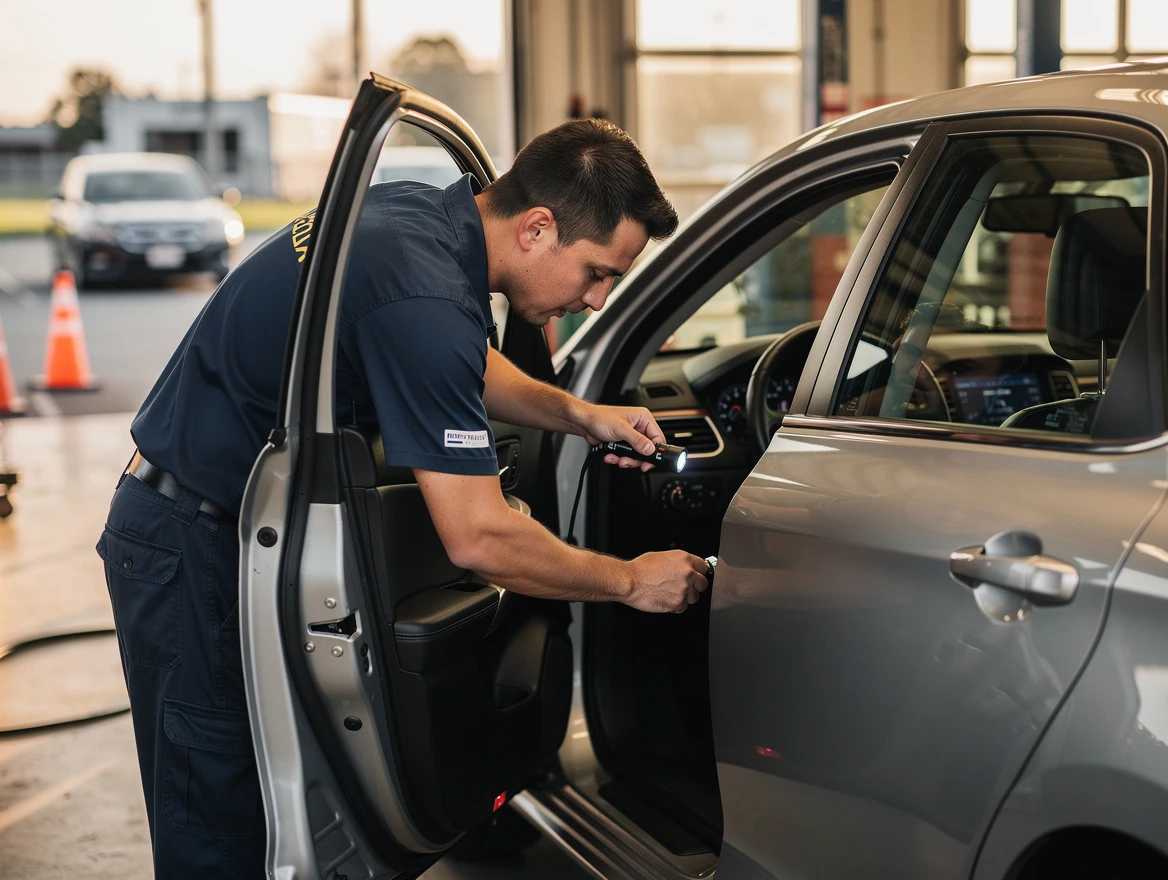
Every street-legal vehicle must possess a valid 17-digit VIN as per the international ISO 3779 standard. Vehicles imported from other countries or older models manufactured before 1981 may have shorter identification numbers, which often complicates the titling process. Owners can verify their vehicle history and recall status through the NHTSA VIN Lookup tool to make sure the identification record is accurate.
How to Handle Missing Titles or Paperwork
Securing a valid title is the primary hurdle for converting older or off-road-only machines. A bonded title is a common method for proving ownership when the original paperwork is lost or missing, effectively providing a surety bond that protects the state against future ownership claims. More information can be found in our guide on Getting a Title for a Bike With No Paperwork: Your Step-by-Step Guide.
FAQ
Is it possible to make a dirt bike street legal everywhere?
No, state laws differ significantly. Some states strictly prohibit off-road vehicles from public roads regardless of modifications. You must verify your local state statutes to confirm if your specific vehicle type qualifies for registration in your jurisdiction, or consider alternative registration options in states with more permissive policies.
What is the most common reason registration is denied?
The most common cause for denial is missing or incorrect documentation, specifically regarding the vehicle title and VIN compliance. If your title is marked for off-road use only, many state DMVs will automatically reject your application regardless of your hardware upgrades.
Do I need to live in Montana to register a vehicle there?
You do not need to be a resident of Montana to register a vehicle there. Many owners use a Montana LLC to hold title to their assets, which permits the registration of vehicles through that entity. This process is documented at the Montana Registration Services portal.
What are the actual costs for vehicle registration?
Registration fees vary by state and the weight of your vehicle, often ranging from $50 to over $500 annually. Montana registration fees are calculated based on the age of the vehicle and its declared value, but the lack of sales tax often results in significant total cost savings.
Can I register a side-by-side as a motorcycle?
Some states allow side-by-sides to be registered as motorcycles or autocycles if they meet specific safety criteria and equipment requirements. This classification depends entirely on the state vehicle code, which defines categories based on wheelbase, seating arrangement, and safety features.
Start Your Registration Today