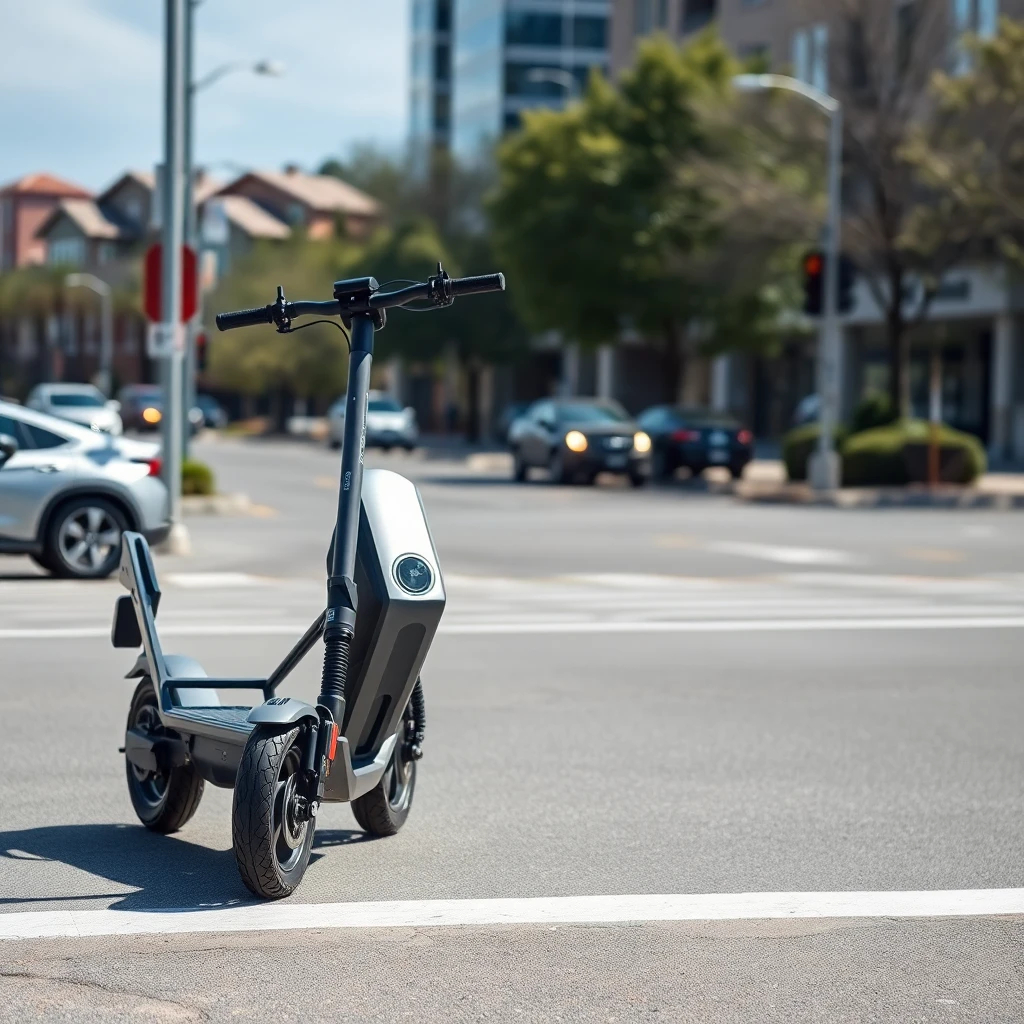
Electric scooter street legal requirements by state are not uniform, and that gap catches riders off guard every day. One state treats your scooter like a bicycle. The next one wants a title, registration, and a helmet. Get it wrong and you're riding illegal, and that means fines, impoundment, or worse.
This guide breaks down what makes an electric scooter street-legal, which states have the strictest rules, what equipment your scooter needs, and when registration or a motorcycle endorsement actually applies. Read it before you ride.
If your scooter sits in a gray zone between states, Street Legal Hookup has handled tougher cases than yours. We work directly with a state-licensed Montana processor to get powersports vehicles plated correctly the first time.
What Makes an Electric Scooter Street Legal by State
Most states define electric scooters by motor wattage and top speed. The classification determines whether your scooter is treated like a bicycle, a moped, or a motorcycle. Each classification carries different registration, insurance, and licensing requirements.
How Speed and Wattage Drive Classification
The most common threshold is 30 mph. Scooters that cannot exceed 30 mph under motor power are typically classified as low-speed electric scooters or mopeds. Scooters that can go faster are often classified as motorcycles and require full registration and a motorcycle endorsement on your license.
Motor wattage matters too. Many states use 750W or 1,000W as the ceiling for the lowest classification tier. A scooter running a 2,000W motor pushing 45 mph is almost certainly a motorcycle under state law, regardless of what the manufacturer calls it.
Three Common Classification Tiers
- Class 1 / Low-Speed Electric Scooter: Top speed under 20-25 mph, no registration required in most states, helmet laws vary by age
- Moped / Limited Speed Motorcycle: Top speed 25-35 mph, registration and insurance typically required, standard driver's license usually sufficient
- Motorcycle / Motor-Driven Cycle: Top speed above 35-45 mph, full registration, title, insurance, and motorcycle endorsement required
The classification your scooter falls into is the single biggest factor in what paperwork you need. Check your owner's manual for top speed and motor wattage, then match it against your state's classification table.
State-by-State Overview of Electric Scooter Street Legal Rules
No two states handle electric scooter street legal requirements exactly the same way. Below is a practical breakdown of where major states land. Always verify current rules with your state DMV before riding, since laws are still changing in many states.
Ready to register your vehicle?
Join thousands of vehicle owners who use Street Legal Hookup to handle their registration quickly.
Get started today. →States With Lighter Registration Requirements
California, Texas, Florida, and Colorado all allow low-speed electric scooters (typically under 30 mph) to operate without vehicle registration as long as the rider follows posted rules. California's Vehicle Code Section 21235 allows electric scooters on roads with a speed limit of 25 mph or less without a license plate, provided the rider is 16 or older and wears a helmet. Texas follows a similar path for scooters under 30 mph on roads with 35 mph or lower limits.
For riders who want broader access across states or who own higher-powered models, Montana registration offers a clean path. Montana has no sales tax, no emissions testing, and a straightforward registration process through a state-licensed processor. Read more about how that process works for powersports vehicles at powersports vehicle registration out of state.
States With Stricter Motorcycle-Style Requirements
New York, Illinois, and Virginia treat higher-powered electric scooters as motor-driven cycles or motorcycles. New York requires registration, insurance, and a motorcycle license for any electric scooter operated on public roads, regardless of speed. Illinois classifies scooters above 30 mph as motorcycles, requiring full titling and registration similar to a gas-powered bike.
If you're working through a title transfer or registration in one of these stricter states, the process looks a lot like a standard DMV title transfer. Our guide on title transfer DMV FAQ covers what that process typically requires.
States Still Updating Their Laws
Several states, including Oregon, Washington, and Michigan, have updated their electric scooter laws within the last three years and are still working through enforcement consistency. What was permitted under a shared scooter program may not apply to privately owned scooters. Check your state's motor vehicle division directly before assuming your scooter is covered under a ride-share exemption.
Equipment Your Electric Scooter Needs to Be Street Legal
Even in states that don't require registration, your electric scooter typically needs specific equipment to legally operate on public roads. Missing any of these can get you cited even if your paperwork is perfect.
Lighting and Visibility Requirements
Most states require a white headlight visible from at least 300 feet and a red rear reflector or taillight. Some states add side reflectors and a horn or audible warning device. These requirements mirror what motorcycles and mopeds need, just scaled to match the scooter's speed class. Our full breakdown of street legal dirt bike headlight horn mirror requirements covers the core equipment rules that apply across most powersports vehicles, including scooters.
Brakes, Tires, and Safety Gear
Front and rear brakes are required in virtually every state. Many states also specify minimum tire width and tread depth. Helmet laws vary widely: some states require helmets for all electric scooter riders, others only for riders under 18, and a handful have no helmet requirement at all for low-speed scooters.
Protective gear is separate from registration but directly tied to liability. If you get into an accident without required safety gear, it can affect your insurance claim regardless of fault.
Speed Limiters and Manufacturer Settings
Some electric scooters ship with a software-based speed limiter set below the motor's actual capability. Removing or bypassing that limiter can push your scooter into a higher classification tier, triggering registration, licensing, and insurance requirements that didn't apply before. Check your scooter's actual top speed under full motor power, not just the out-of-box limited setting.
| State | Max Speed (No Registration) | Helmet Required | License Required | Registration Required |
|---|---|---|---|---|
| California | Under 30 mph | Yes (all riders) | No (16+) | No (low-speed class) |
| Texas | Under 30 mph | No (recommended) | No | No (low-speed class) |
| Florida | Under 30 mph | Yes (under 16) | No | No (low-speed class) |
| New York | Under 20 mph (shared only) | Yes (under 18) | No (low-speed) | No (low-speed, shared programs only) |
| Illinois | Under 30 mph | Yes (under 18) | No (low-speed) | No (low-speed class) |
| Colorado | Under 20 mph | Yes (under 18) | No | No (low-speed class) |
| Virginia | Under 20 mph | Yes (under 14) | No | No (low-speed class) |
| Oregon | Under 24 mph | Yes (all riders) | No | No (low-speed class) |
Note: These classifications apply to low-speed or standard electric scooters. Higher-powered models that exceed these thresholds are typically classified as mopeds or motorcycles in all listed states, which triggers separate registration and licensing rules.
When Registration and Title Actually Apply to Electric Scooters
Registration doesn't apply to every electric scooter, but it absolutely applies to some. Knowing the line keeps you on the right side of state law and out of a citation.
Higher-Speed and Higher-Power Scooters
If your electric scooter can reach 35 mph or more, most states will require you to register it as a moped or motorcycle. That means getting a title, obtaining a license plate, and carrying insurance. The process is similar to registering any other powersports vehicle. If you're missing a title or the manufacturer certificate of origin, that's a separate problem to solve before registration is possible. Our post on getting a title for a bike with no paperwork walks through what options exist when your paperwork is incomplete.
Out-of-State Purchases and Imports
Buying an electric scooter from another state or importing a model not sold domestically adds complexity. Some imported scooters don't have a standard VIN format that state DMV systems recognize. Montana registration can be a practical option for scooters that fall into a registration gray zone, since Montana's process is less rigid on vehicle classification than many other states. There's no sales tax, no emissions requirement, and the plates are valid nationwide.
If your situation involves an imported or unconventional scooter, street legal electric bike laws by state covers the overlapping classification rules that often apply to e-bikes and scooters in the same category.
Insurance Requirements for Registered Scooters
Once your scooter is classified as a moped or motorcycle and requires registration, most states require liability insurance at minimum. Minimums vary by state but typically mirror motorcycle insurance requirements. Operating a registered scooter without insurance can result in license suspension in addition to the standard fine.
FAQ: Electric Scooter Street Legal Requirements
Do I need a license to ride an electric scooter on public roads?
It depends on your state and your scooter's speed classification. Most states do not require a driver's license for low-speed electric scooters under 25-30 mph. Once your scooter crosses into moped or motorcycle territory based on speed or motor power, a valid driver's license or motorcycle endorsement is typically required. Some states, like New York, require a motorcycle license for any motorized scooter on public roads regardless of speed.
Does my electric scooter need to be registered?
Low-speed electric scooters under 30 mph are exempt from registration in most states. However, if your scooter exceeds that threshold or is classified as a moped or motor-driven cycle, registration is required. States like New York, North Carolina, and several others require registration for nearly all motorized scooters. Check your specific state's DMV classification rules using your scooter's top speed and wattage as your starting point.
Can I ride an electric scooter on the highway?
Almost never legally, no. Most states prohibit electric scooters from highways, freeways, and any road with a posted speed limit above 35-45 mph. Even registered moped-class scooters are typically limited to roads under 35 or 45 mph, depending on the state. Riding a low-speed scooter on a highway is illegal in every state and genuinely dangerous given the speed differential with other traffic.
What happens if my electric scooter doesn't have a VIN?
Many imported or budget electric scooters arrive without a standard 17-digit VIN, which creates a registration problem in states that require it. Some states will assign a state-issued VIN through an inspection process. Others use the manufacturer's serial number if it meets minimum length requirements. Montana's registration process has been used successfully for vehicles in this exact situation. Getting a title for a vehicle with no paperwork is a solvable problem, but it requires the right process from the start.
Are electric scooters street legal in all 50 states?
Low-speed electric scooters are permitted on public roads in all 50 states, but the specific rules and restrictions vary significantly. Some states allow scooters on bike lanes only. Others permit them on roads up to 35 mph. A handful require registration regardless of speed. No single national standard exists yet, which is why checking your specific state's current law matters before you ride anywhere new.
Do I need insurance for an electric scooter?
Insurance is not required for low-speed electric scooters in most states. Once your scooter is classified as a moped or motorcycle and must be registered, liability insurance is typically required. Even where it's not mandatory, insurance is worth carrying. A collision on a scooter without coverage leaves you personally liable for property damage and medical costs.
Can I register my electric scooter in Montana even if I don't live there?
Yes, in most cases. Montana allows vehicle registration through an LLC structure, which means you don't need to be a Montana resident to register a vehicle there. There's no sales tax in Montana, and the plates are valid in all 50 states. This approach is used by owners of scooters, motorcycles, ATVs, UTVs, RVs, and other vehicles who want a clean registration path without the tax burden of their home state. Working through a state-licensed Montana processor is the most reliable way to do it correctly.
Get Your Electric Scooter Street Legal the Right Way
Electric scooter street legal requirements by state are a moving target, but the core rules are clear enough to work with. Know your scooter's top speed and motor wattage. Match it to your state's classification. Get the right equipment on the bike. And if your scooter crosses into moped or motorcycle territory, handle the title and registration before you ride.
Street Legal Hookup works with riders across every vehicle category, from dirt bikes and ATVs to scooters, motorcycles, and RVs. We're backed by a state-licensed Montana processor and handle the paperwork that most services won't touch. Verified customer reviews keep coming in, and the cases keep getting more interesting. If your situation is complicated, that's exactly where we work best.
For more on how electric two-wheelers get classified and registered across the country, read our full guide on street legal electric bike laws by state. And if you're dealing with a registration situation that goes beyond a simple scooter, our post on street legal off road vehicle requirements covers the broader equipment and compliance picture for powersports vehicles of all kinds.
Related Reading