

When you have lost your vehicle title, you can resolve the issue by applying for a duplicate title if you were the previously titled owner, or by obtaining a bonded title if evidence of prior ownership is missing or incomplete. A missing title document does not mean your vehicle is permanently stuck in legal limbo, provided you follow the correct verification steps with your local jurisdiction or work with specialized registration support services.
Resolving Lost Vehicle Title Situations Requires Proper Documentation
Losing a piece of paper is a common frustration, but it creates a significant hurdle for your asset management. If you previously held the title in your name, the process is usually straightforward: you apply for a duplicate via your local vehicle services office. However, if the title was never transferred to your name or the previous owner left no record, you are dealing with a more complex situation that often requires a bonded title.
We have processed thousands of orders, and missing documentation remains a primary hurdle for many owners attempting to finalize their registration. If you are looking to get back on the road, you can start the process to assess your specific title needs.
Curious if this applies to you? →It is vital to check your specific state requirements regarding vehicle transfer title processes. A more detailed breakdown is available in Troubleshooting Ownership and Vehicle Title Transfer Roadblocks. This guide helps owners understand the difference between simple administrative errors and deeper title issues.
When a Bonded Title Becomes Your Primary Option
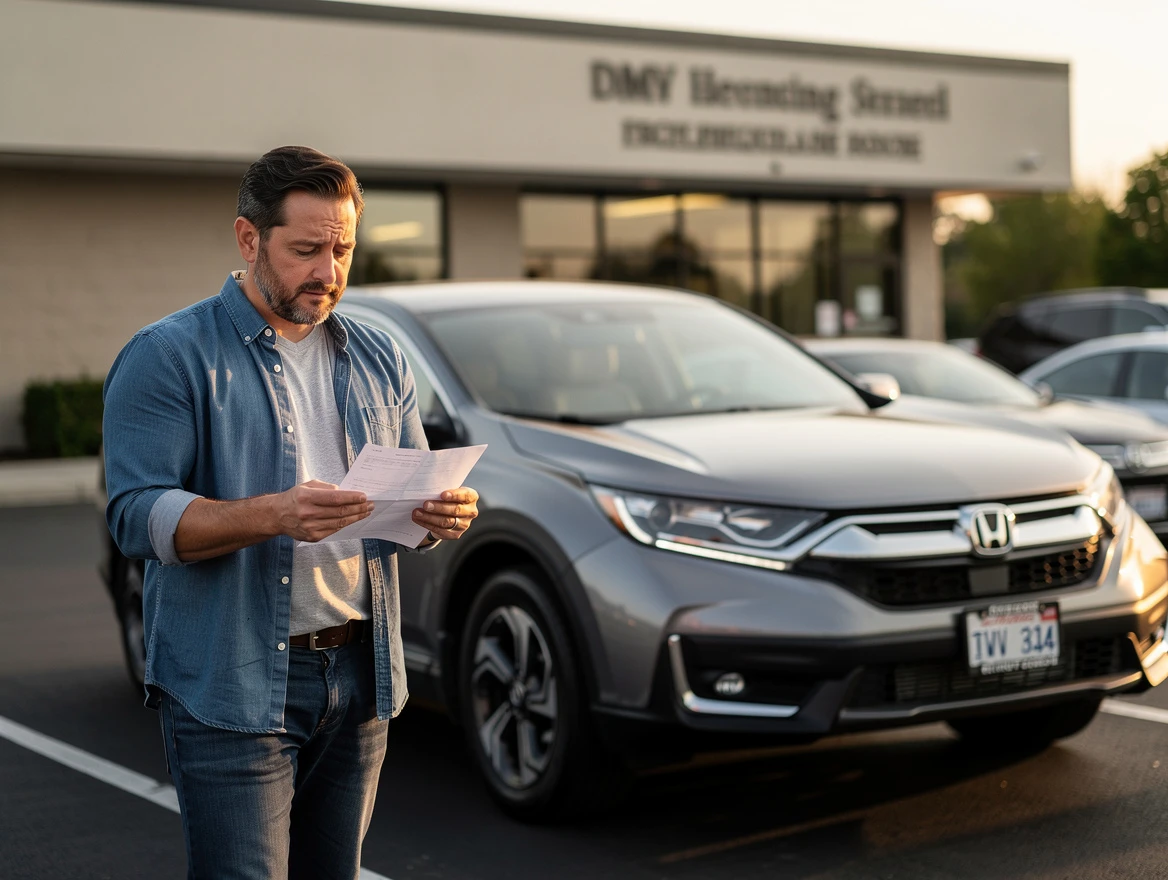
A bonded title is a document that establishes you as the owner when a standard title is unavailable. This is common when buying vehicles from private parties who lost their paperwork or when dealing with vintage machines where records have vanished over the decades. The bond acts as a financial guarantee, protecting the state and any potential future claimants against fraudulent ownership claims during the mandatory bonding period, which typically lasts three years.
Ready to register your vehicle?
Join thousands of vehicle owners who use Street Legal Hookup to handle their registration quickly.
Get Street Legal →This process is not for every situation. You should consider this path only if you possess a bill of sale or other supporting evidence. Most state motor vehicle divisions require clear proof that you have a right to the asset before any bond can be issued. You can read more about how this applies to older rigs in Register a Classic Car Without a Title: Bonded Title Guide. Understanding these requirements ensures your documentation is sound before you submit your file to the state.
For those looking to understand the broader context of asset ownership and protection, reading about why this structure is popular in our guide on Classic Car Montana LLC: Skip the Tax, Keep the Paperwork Clean provides useful background information.
Step-by-Step Approach to Recovering Ownership
Your first move should always be a thorough search. If that fails, contact the last known owner or the issuing state to request a duplicate. If those doors are closed, you must determine if you meet the criteria for a bonded title. This process involves a professional inspection, a value assessment, and the purchase of a surety bond, which is a specialized insurance product that covers the vehicle’s value.
For owners of commercial assets or specialized machinery, fleet registration and proper title handling are essential to avoid downtime. We often see issues arise when owners purchase vehicles without verifying the status of the NHTSA VIN Lookup, which can reveal existing liens or salvage titles that complicate the bonding process. You should also make sure your Motorcycle Registration Checklist is complete, as missing just one form can cause the entire filing to stall.
Insights Into Title Issues and Real-World Solutions

Many owners assume a lost title is a dealbreaker. In practice, documentation hurdles are simply part of the administrative process. Understanding the Titling, Tagging & Registering a Vehicle Explained helps you identify whether you are looking at a few weeks for a duplicate or a more extended, multi-step process for a bond. We frequently see odometer compliance as a recurring challenge, and accurate documentation is your best defense against processing delays.
| Solution | Primary Use Case | Typical Timeline |
|---|---|---|
| Duplicate Title | You were the last owner | 2 to 6 weeks |
| Bonded Title | Missing or never-issued title | 3 to 9 months |
| Lien Release | Paid off loan, no title | 1 to 3 months |
Frequently Asked Questions
Can I register a vehicle if I lost the title?
You cannot typically register a vehicle without a title or a legal replacement document. If you have lost your original title, you must secure a duplicate from the state where it was last titled or proceed with a bonded title if that state record is inaccessible. Attempting to register without proper documentation will lead to a rejection of your application.
Can I get a title with only a bill of sale?
A bill of sale is evidence of a transaction, but it is not a title. While it is a critical document for your application, most states require a bonded title process if you have only a bill of sale and no proof of previous titling. The bond compensates for the absence of the original title, proving to the state that you are the rightful owner of the asset.
What happens after the bonded title period ends?
Once the three-year bonding period concludes, the bond requirement is removed from your vehicle record. You can then request a clear, standard title from the state. During this three-year window, you have full rights to operate and register the vehicle, but the bond remains in place to protect against any third-party claims that might arise.
How much does a title bond cost?
The cost of a title bond is typically based on the appraised value of the vehicle. Most insurance providers charge a fee that is a percentage of the total bond amount, often starting around 1.5 percent of the total value. This cost is separate from state registration fees, filing costs, and any additional inspection fees required by the Montana Motor Vehicle Division.
Ready to take the next step? We can help you provide registration assistance for your vehicle regardless of its current title status. Reach out to our team to discuss your situation and begin your registration.
Ready to take the next step? We can help.