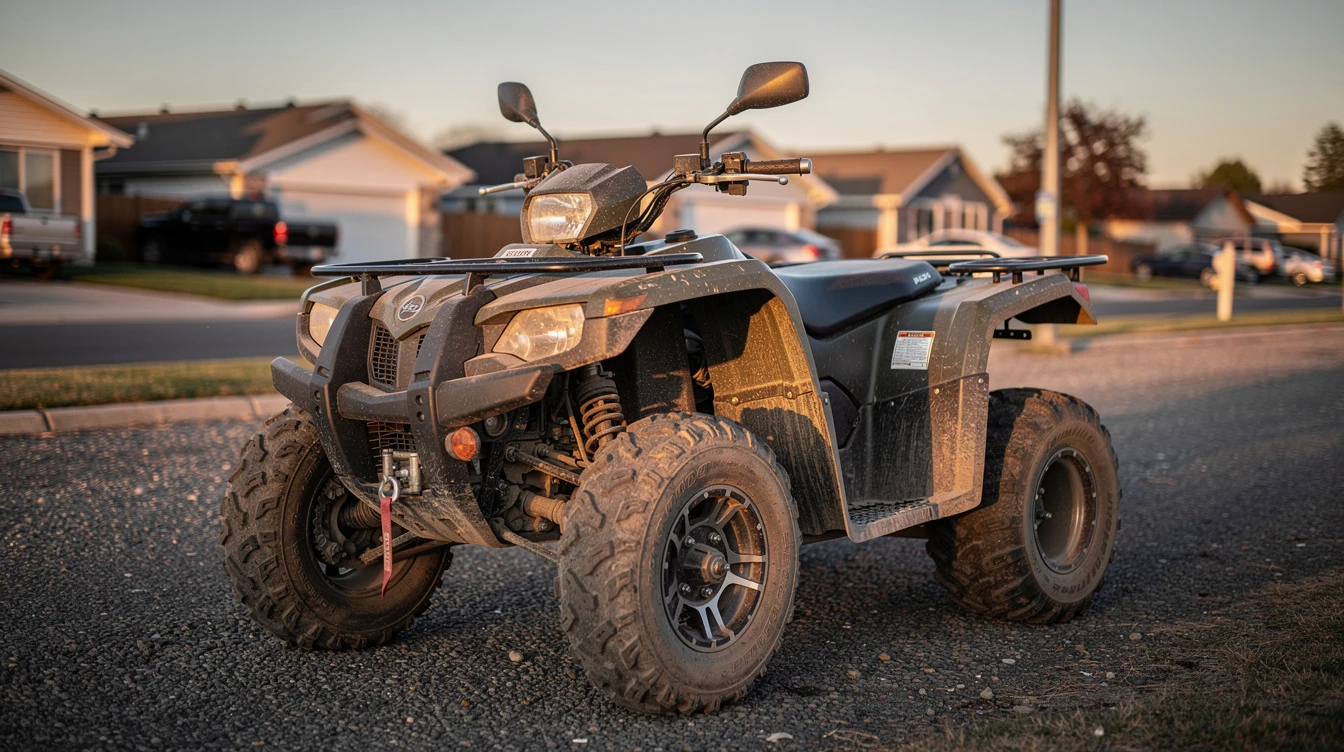

An ATV street legal kit includes specific lighting, signaling, and mirror components required to meet state equipment standards for public road operation. These kits typically contain a DOT-approved headlight, taillight, turn signals, horn, and side mirrors, which are necessary to transition from dirt trails to legal street riding.
Essential Components Included in an ATV Street Legal Kit
Most states require specific hardware to authorize an ATV for road use, focusing on visibility and rider awareness. A standard kit covers the basic legal necessities by providing a high-low beam headlight, a brake light activated by the foot or hand lever, and amber turn signals for both the front and rear of the vehicle. You will also need a horn that meets volume standards and at least one left-side mirror to monitor traffic behind you. The installation of these parts effectively addresses the primary equipment requirements for street operation across most jurisdictions, provided you have the proper registration to match.
If you want to know if your specific vehicle qualifies for this transition, you can Check My Eligibility today.
Regulatory Requirements for Street Legal Conversion
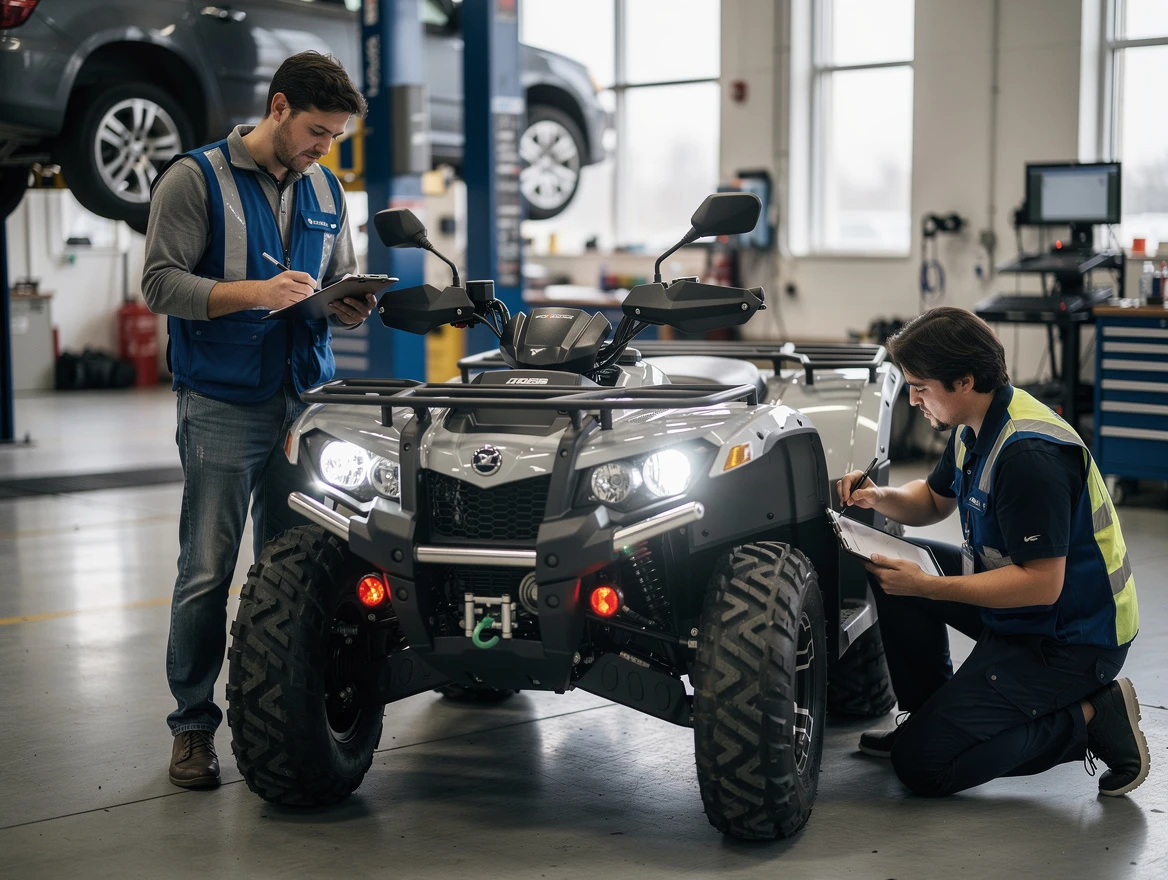
States evaluate the mechanical fitness of an off-road vehicle based on the equipment installed rather than just the vehicle type. Many riders find that installing a kit is only half the battle, as they still need to secure a valid registration and title to satisfy local authorities. Because each state maintains its own motor vehicle code, some require an inspection of the installed kit components, while others focus primarily on the documentation of the VIN through a valid Montana LLC registration. Montana law does not require emissions testing or recurring safety inspections, which simplifies the registration process for most off-road machines by bypassing local county DMV visits.
Ready to register your vehicle?
Join thousands of vehicle owners who use Street Legal Hookup to handle their registration quickly.
Get Street Legal →A more detailed breakdown is available in How to Make a Side by Side Street Legal: What You Need, What It Costs, and How to Get It Done. This resource covers the nuances of vehicle classification and the common hurdles owners face when attempting to register a machine that was originally manufactured for off-road use only.
[INLINE_IMAGE_1_PLACEHOLDER]Cost and Installation Considerations for Off-Road Conversions
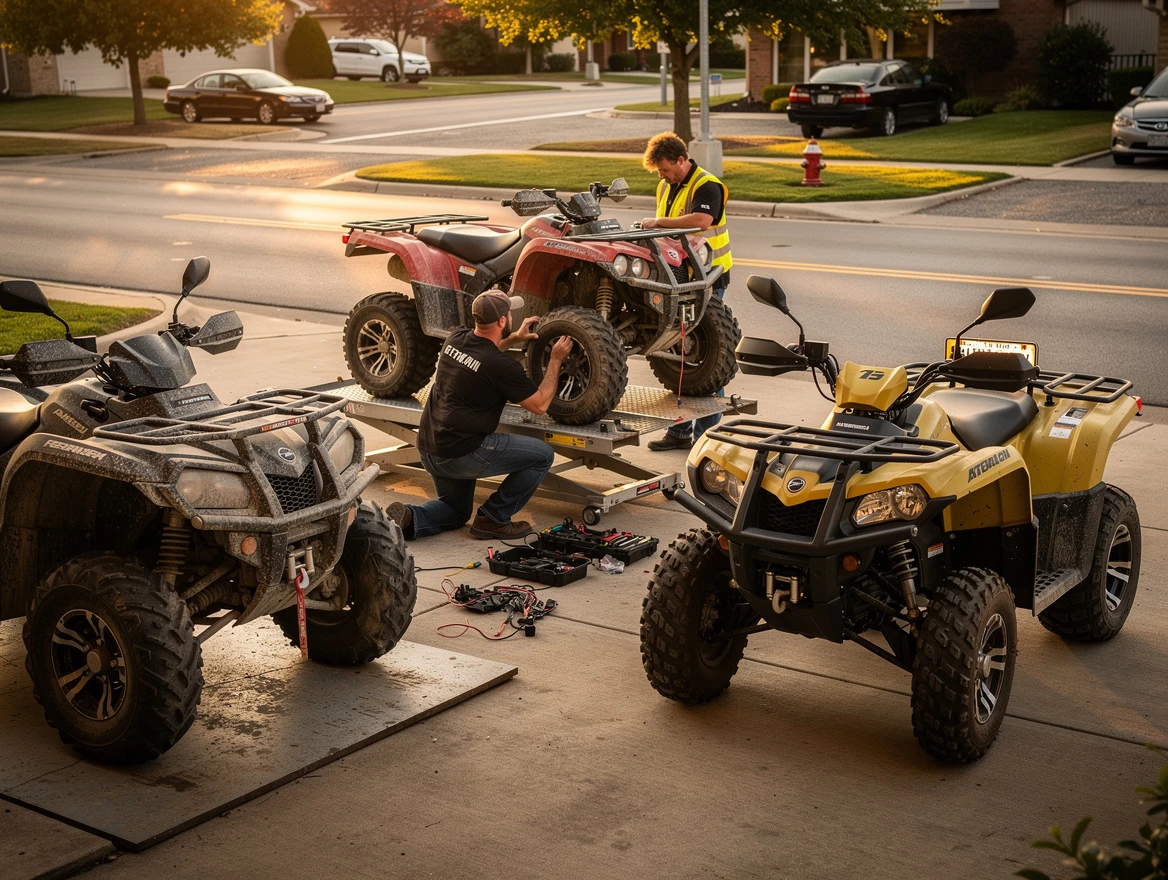
Investing in a high-quality kit generally costs between $200 and $500 for the components, while professional installation can add another $300 to $600 depending on the complexity of the wiring use. We typically see riders spend 4 to 8 hours on a DIY installation if they have experience with electrical systems and 12-volt circuits. It is important to remember that the kit hardware must remain functional at all times to maintain your compliant status on the road. Replacing blown bulbs or loose wiring ensures your setup remains effective and avoids unnecessary attention from law enforcement while you are out on your ride.
[INLINE_IMAGE_2_PLACEHOLDER]Comparison of Common Conversion Paths
| Path | Primary Benefit | Cost Estimate |
|---|---|---|
| DIY Kit Installation | Full control over parts | $200 - $500 |
| Professional Shop Install | Reliable wiring and fitment | $500 - $1100 |
| Montana Registration Support | Remote paperwork filing | Varies by asset value |
The vast majority of our customers choose to combine a quality kit with our registration assistance to handle the document side of the process. When you use Montana Registration Services, you are securing a proven method to manage your assets efficiently without visiting a local government office.
Frequently Asked Questions About Street Legal Kits
What is the minimum equipment required for an ATV to be considered road-ready?
To be considered road-ready, your ATV must generally feature a DOT-compliant headlight (high and low beam), a red rear taillight, a dedicated brake light, front and rear turn signals, a loud horn, and at least one side-view mirror. Many states also require a license plate light or bracket to make sure your plate is visible in low-light conditions to other motorists.
Does installing a street legal kit automatically make my ATV street legal in all 50 states?
Installing a kit is not a universal solution because registration laws vary drastically by state and county. While the hardware makes the vehicle physically capable of meeting equipment standards, you must still properly title and register the vehicle in a jurisdiction that permits off-road vehicles on public roads. Our registration specialists assist with the Montana paperwork to help you achieve your goal.
How long does the registration process take once my kit is installed?
The registration timeline typically depends on the speed of the state motor vehicle division and the accuracy of your application documents. When using our registration assistance, we help you prepare the correct forms for a Montana LLC to move the process along as quickly as possible. Most registrations are processed and plates are dispatched within a few weeks of document submission.
Can I ride my converted ATV on interstate highways?
Even with an ATV street legal kit, riding on interstate highways or limited-access freeways is often prohibited by state law. These roads are designed for high-speed traffic, and most ATVs cannot safely maintain the minimum speed limits required for interstate travel. We always advise you to check your local state and county statutes regarding road class restrictions before planning a trip on public thoroughfares.
Ready to take the next step? Get Street Legal