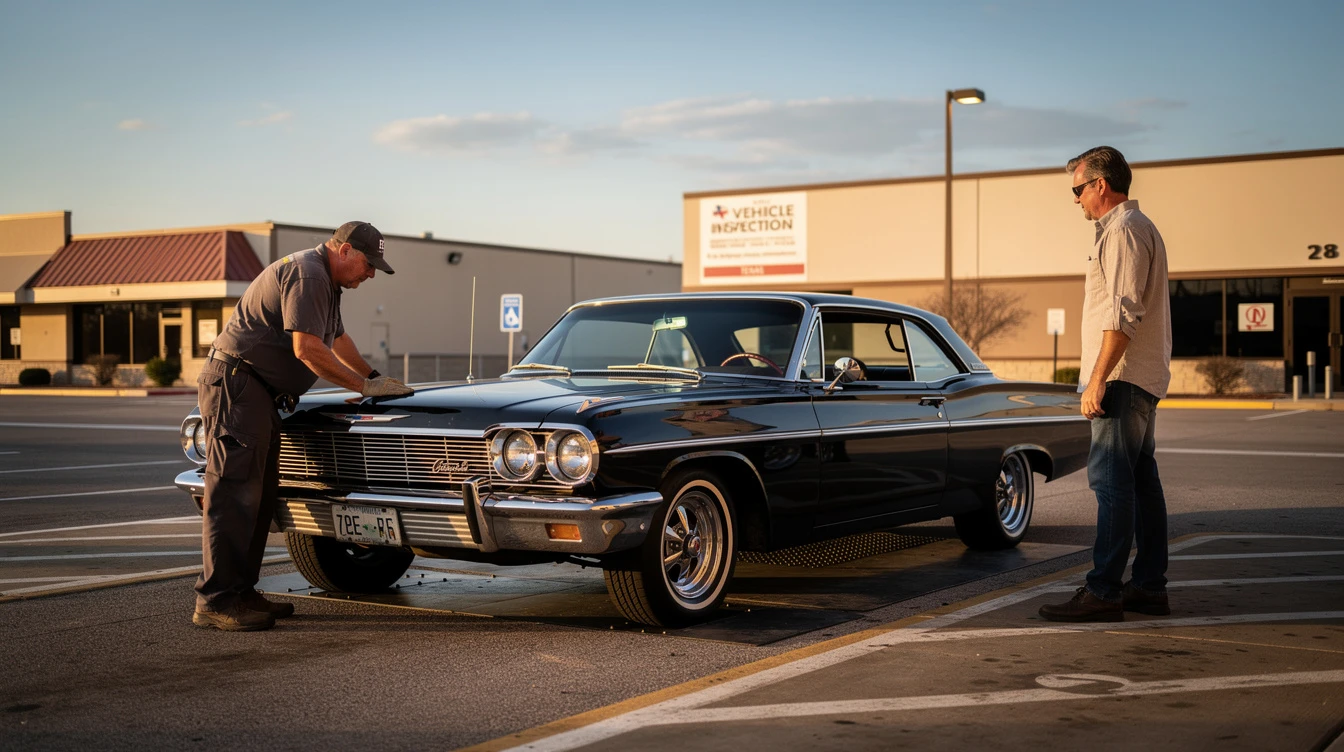
Classic Cars and Texas Roads: What You're Actually Dealing With
Texas has real roads, real heat, and real traffic, and getting a classic car onto those roads isn't complicated, but it does take a specific checklist. Whether you're pulling a '69 Camaro out of a barn or finishing a resto-mod build, the path from "registered nowhere" to street-legal in Texas runs through a few fixed requirements: a title in your name, a safety inspection, and the right equipment on the vehicle itself.
Honest answer up front: most classic cars can be made street legal in Texas without too much pain, as long as the title is clean and the vehicle meets basic safety standards. Where people get stuck is the title paperwork side, especially on older cars that have changed hands multiple times without proper documentation.
This guide walks you through every step, from equipment requirements to title transfer, plus a realistic cost breakdown so you know what you're getting into before you start.
Already thinking about registration costs? Check out classic car registration process step by step, what to expect and how to prepare for a broader look at what the registration process involves across different states.
What You Need to Know Before You Start
Texas treats vehicles 25 years old or older as "antique" or "classic" vehicles under state law. That designation matters because it comes with real advantages: antique-plated vehicles don't need to pass emissions testing (a big deal in DFW, Houston, and Austin metro areas), and registration fees are lower than standard plates.
Here's what Texas requires to issue antique plates and get your car street-legal:
- Vehicle must be at least 25 years old
- Must be "preserved or restored" to its original design, not a heavily modified street rod (those fall under a different category)
- Must have a clean, transferable Texas title or go through a title correction process if the title is missing or defective
- Must pass a standard safety inspection (no emissions for antiques in most counties)
- Must carry minimum Texas liability insurance
One thing worth knowing: antique plates in Texas restrict use to "exhibitions, club activities, parades, and tours." In practice, law enforcement in most areas doesn't pull over classic cars for daily driving, but technically the plates come with use restrictions. If you plan to drive the car daily, standard historic or regular plates may fit your situation better.
For cars that don't fit neatly into "antique" (think kit cars, replicas, or heavily modified builds), check out the classic car registration requirements by state in the USA, eligibility, fees, exemptions page for a broader breakdown of how different vehicle types are categorized.
Required Equipment: What Has to Be on the Car
Texas doesn't require classic cars to be retrofitted with every piece of modern safety equipment, but the basics have to work. A safety inspection will check all of these.
| Equipment | Required for Texas Street Use? | Notes |
|---|---|---|
| Working headlights | Yes | High and low beam, properly aimed |
| Tail lights and brake lights | Yes | Must clarify when brakes are applied |
| Turn signals | Yes (1968 and newer) | Pre-1968 vehicles may use hand signals compliantly |
| Horn | Yes | Audible from 200 feet |
| Mirrors | Yes | At minimum, driver-side mirror required |
| Windshield wipers | Yes (if vehicle has a windshield) | Must be functional |
| Seat belts | Required for 1968+ vehicles | Pre-1968 cars are typically exempt |
| Emissions equipment | No (antique plates) | Antiques are exempt from emissions testing in most Texas counties |
If your car has a cracked windshield, bald tires, leaking brake lines, or lights that don't function, get those fixed before you take it in for inspection. Inspectors will fail the vehicle on those items, and you'll pay the inspection fee again on re-inspection.
How the Title Transfer Works in Texas
This is where classic car owners most often hit a wall. A title that's been sitting in a glove box for 20 years, or worse, a car with no title at all, requires extra steps before you can register anything.
Clean Title: Straightforward Path
If the seller has a clean title in their name, a Texas title transfer is a direct process. You'll need:
- The signed-over Texas title from the seller
- A completed Application for Texas Title (Form 130-U)
- Proof of insurance
- Payment for title transfer fees and any applicable sales tax
- Completed safety inspection
Sales tax rates vary by state and county, so confirm the current rate with your local county tax assessor-collector office before budgeting. Texas calculates vehicle sales tax on the purchase price or standard presumptive value, whichever is higher.
Missing or Defective Title: The Harder Path
No title? Transferring a car title in Texas without one typically means pursuing a bonded title or a court-ordered title, depending on the situation. A bonded title requires purchasing a surety bond for 1.5 times the vehicle's value and holding it for three years before a clean title is issued. This process protects against hidden liens or ownership disputes, and it does work, but it takes time.
For more on avoiding common title headaches, how to avoid car title troubles, common title problems and how to prevent them is a practical resource worth reading before you buy any car without a title in hand.
A detailed look at the full auto title transfer Texas process is available in our guide on vehicle registration, how to register any vehicle in any state.
Cost and Timeline: What to Realistically Expect
Here's a straight breakdown of what making a classic car street legal in Texas will cost you, assuming the title is clean and the car is mechanically ready.
| Item | Estimated Cost | Notes |
|---|---|---|
| Texas title transfer fee | $28, $33 | Varies by county |
| Antique plate registration | $40, $50 (one-time) | Much lower than annual standard plates |
| Safety inspection | $7, $40 | Non-emissions inspection for antiques |
| Liability insurance (annual) | $200, $600+ | Classic car specialty insurers often offer lower rates |
| Sales tax on purchase | 6.25% of purchase price | Sales tax rates vary, confirm current rate locally |
Timeline: if the title is clean and the car passes inspection, most people complete this process in one to three weeks. Bonded title situations can stretch to three months or more.
One way some classic car owners reduce the sales tax hit on high-value vehicles is by registering through a Montana LLC. Montana has no sales tax, which means on a $60,000 classic car, you could save $3,750 or more compared to registering in a high-tax state. That's real money. Read the full breakdown at zero tax car registration explained and Montana LLC for vehicle owners to see how it works and whether it fits your situation.
Verifying Your Classic Car Before You Register It
Before you take any classic car through Texas registration, it's worth confirming the vehicle is what the seller says it is. VIN discrepancies, mismatched door tags, and documentation gaps can cause serious problems at the title office, or worse, later down the road.
The NHTSA VIN Lookup is a free tool that pulls basic vehicle data and open recalls directly from federal records. Use it before you buy. For a deeper look at authenticating a classic's history and originality, how to verify classic car originality, VIN decoding, documentation, and authentication walks through exactly what to check and why it matters for registration.
Frequently Asked Questions
Do classic cars need emissions testing in Texas?
Vehicles registered with antique plates in Texas are exempt from emissions testing in most counties. Emissions testing typically applies to vehicles model year 1996 and newer in counties with mandatory inspection programs. Confirm current rules with your county tax assessor-collector, since county-level requirements can shift.
Can I drive a Texas antique-plated car every day?
Technically, Texas antique plates restrict use to exhibitions, parades, club events, and tours. In practice, many classic car owners use their vehicles more broadly without issue, but daily commuting on antique plates is not what the registration is intended for. If daily driving is your plan, standard plates or historic vehicle plates are a better fit.
What happens if my classic car has no title?
You'll need to pursue a bonded title or a court-ordered title in Texas. The bonded title route requires a surety bond worth 1.5 times the vehicle's value and a three-year holding period. A title attorney can walk you through which path makes more sense for your specific situation. Don't skip this step, driving without a proper title creates bigger problems down the road.
Does transferring a car title in Texas require a physical inspection?
Yes. Texas requires a safety inspection before completing a title transfer and registration on most vehicles. For antique vehicles, this is a basic safety-only inspection, not an emissions check. The inspection must be completed at a state-licensed inspection station.
Can I save sales tax by registering my classic car in Montana?
Montana has no sales tax on vehicle purchases. Some classic car owners form a Montana LLC to hold and register a vehicle there, avoiding the sales tax that would apply in their home state. This is a Montana registration method used by collectors, and it's most commonly worth the effort on vehicles valued above $20,000-$30,000, where the tax savings outweigh setup costs. Sales tax rates vary by state, so the math is different for everyone. See zero tax car registration explained for the numbers.
What if my classic car is a kit car or replica?
Kit cars and replicas fall under a different Texas registration category and may require manufacturer statements of origin or special equipment certifications. The process is more involved than standard antique registration. Read our guide on classic car registration requirements by state in the USA, eligibility, fees, exemptions for a breakdown of how these vehicles are typically classified.
How do I do a vehicle title transfer in Texas if I'm buying from a private seller?
The seller signs the back of the title over to you. You bring the signed title, a completed Form 130-U, proof of insurance, and payment to your county tax assessor-collector office. Most counties process this same-day. If the title has any errors or missing signatures, get those corrected by the seller before you show up, because the office won't accept a defective title.
What's the difference between antique plates and regular historic plates in Texas?
Antique plates in Texas are one-time fee plates with use restrictions. Regular annual registration is available to the same vehicles without use restrictions, but you'll pay the standard annual registration fee instead of the flat one-time antique plate fee. The right choice depends on how much you plan to drive the car and whether the annual cost difference matters to you.
Ready to Get Your Classic Car Street Legal?
You know the steps. The title transfer, the safety inspection, the equipment checklist, and the registration path are all workable for most classic cars in Texas. Where most owners get tripped up is the paperwork side, especially when a title has gaps or the vehicle has never been properly titled.
Street Legal Hookup provides registration assistance for classic cars, off-road vehicles, military vehicles, and more. If you're unsure which path fits your vehicle, take two minutes to answer a few questions and find out what your options are.