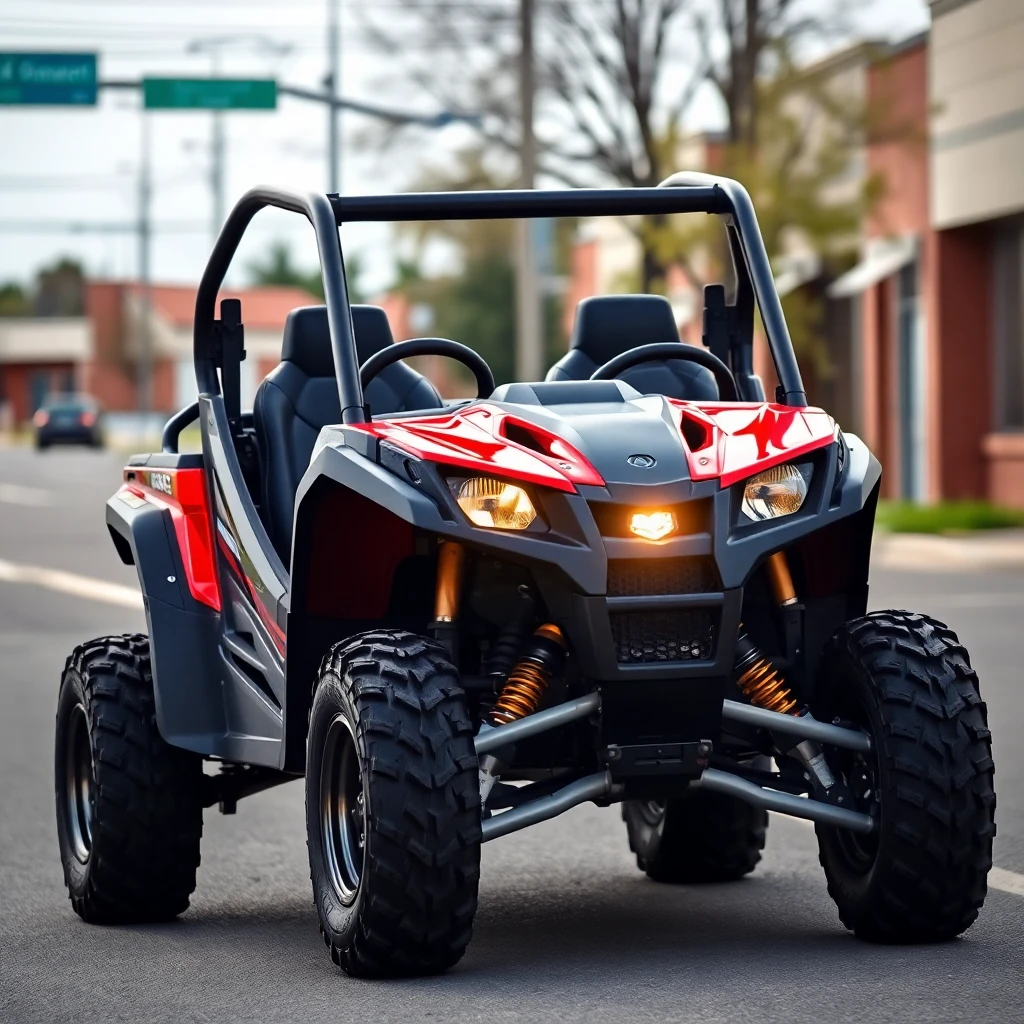
A street legal side by side UTV is no longer just a dream for off-road enthusiasts. Across the country, riders are converting their machines and getting them plated for road use. But the process is not one-size-fits-all. Requirements vary by state, equipment lists can be intimidating, and registration paperwork has stopped more than a few builds dead in their tracks.
This guide covers everything you need to know: the equipment your UTV must have, which states are most friendly to street-legal UTVs, how registration works, and why Montana plates have become a go-to solution for riders who want it done right without the bureaucratic runaround.
If you are ready to stop asking questions and start riding legally, here is the full picture.
What Makes a Side by Side UTV Street Legal?
Getting a street legal side by side UTV on public roads starts with equipment. Most states follow a similar baseline, though specific rules differ. Before you register anything, your machine needs to be physically ready for road use.
Required Equipment in Most States
- Headlights (low and high beam)
- Taillights and brake lights
- Turn signals (front and rear)
- Mirrors (driver's side at minimum, most states require both)
- Horn
- DOT-approved tires
- Windshield or eye protection
- Seat belts for all occupants
- Speedometer
- Reflectors
Some states also require a spark arrestor, a roll cage, and liability insurance before they will plate your machine. Check your state's motor vehicle division before assuming the list above covers everything.
Street Legal UTV Kits: What They Include
Most riders start with a bolt-on kit that packages up the key requirements. These kits typically include a wiring use, turn signal stalks, mirrors, horn, and lighting. A quality kit saves time and makes inspection easier when the state requires one. For a deeper breakdown of what goes into the process, check out UTV street legal kit: what is required, which walks through exactly what each component does and why it matters.
Does Your UTV Need a Title First?
Yes. In most states, you cannot register a UTV for road use without a clean title in your name. If you bought your machine without a title, or if the title is in question, that problem needs to be solved before registration. Riders dealing with missing paperwork can find guidance in our post on ATV title transfer process by state, which covers how to move a title across state lines and what to do when documentation is incomplete.
State Laws: Where Can You Legally Drive a UTV on Public Roads?
Not every state treats a street legal side by side the same way. Some states have specific UTV road-use laws. Others fold UTVs into the ATV category. And a handful make it nearly impossible without extensive modification and approval.
Ready to register your vehicle?
Join thousands of vehicle owners who use Street Legal Hookup to handle their registration quickly.
Get started today. →States with Clear UTV Road Access
States like Utah, Arizona, Idaho, Montana, Texas, and South Dakota have relatively clear paths for street-legal UTVs. Many allow side by sides on roads with posted speed limits of 35 mph or lower, with full equipment compliance. Some counties and municipalities have additional restrictions even in permissive states, so local rules always matter.
States That Restrict or Prohibit UTV Road Use
States like California and New York make the process much harder. California requires UTVs to meet emissions standards that most factory machines cannot pass without significant modification. New York generally prohibits off-highway vehicles on public roads outside designated areas. If you are in a restrictive state, Montana registration through an LLC is worth a serious look.
Why Montana Registration Changes the Picture
Montana allows residents, and entities like LLCs, to register vehicles including UTVs. There is no sales tax, no emissions testing, and no annual inspection requirement at the state level. Many riders who cannot easily title and plate their UTV at home form a Montana LLC to hold the vehicle, then register it through Montana. The result is a legitimately plated UTV with Montana tags that is recognized in all 50 states. For a complete look at how out-of-state registration works for powersports, see our guide on powersports vehicle registration out of state.
UTV Equipment and State Requirements Comparison
The table below gives a quick look at what most states require and where requirements tend to differ. Always confirm current rules with your state's motor vehicle authority before registering.
| Requirement | Most Permissive States | Moderate States | Restrictive States |
|---|---|---|---|
| Headlights | Required | Required | Required + DOT spec |
| Turn Signals | Required | Required | Required |
| Mirrors | Driver side only | Both sides | Both sides + specific spec |
| DOT Tires | Required | Required | Required |
| Insurance | Liability required | Liability required | Full coverage may be required |
| Emissions Testing | Not required | Not required | Required (often blocks registration) |
| Speed Limit Restriction | 35 mph or lower | 35-45 mph | No public road access |
| Title Requirement | Required | Required | Required |
How to Register a Street Legal Side by Side UTV
Once your machine is equipped, registration is the next step. The process depends on where you are registering and whether you are going the direct state route or through a Montana LLC.
Registering Directly Through Your Home State
If your state allows UTV road use, start at your state's DMV. You will typically need a completed title in your name, proof of insurance, a bill of sale if the vehicle is new to you, and in some states a passing inspection. Processing times vary. Some states issue plates same-day at a county office. Others mail everything and take two to four weeks.
Registering a UTV Through a Montana LLC
The Montana LLC path requires forming an LLC with the state, then titling and registering the vehicle under that LLC. Street Legal Hookup handles this process processor-direct, backed by a state-licensed Montana processor. You get real plates, a real title, and documentation that holds up anywhere. This approach is especially useful if your home state has emissions requirements your UTV cannot meet, or if you want to avoid paying sales tax on the purchase. Learn more about how this process works for off-road vehicles with our street legal ATV registration guide, which covers similar ground for four-wheelers going through the same path.
Insurance for a Street Legal UTV
Almost every state that allows UTVs on public roads requires liability insurance at minimum. Standard ATV or off-road vehicle policies typically do not cover road use. You will need a separate endorsement or a dedicated street-legal UTV policy. Contact your insurance provider before you hit the road. For riders who want a broader look at what insurance typically covers for plated machines, the street legal dirt bike insurance requirements post covers the core principles that apply across vehicle types.
Street Legal Side by Side Requirements: Off-Road vs. Road Ready
There is a meaningful difference between a UTV that can survive a trail and one that is actually built to share the road. Road use puts different demands on a machine and on its paperwork.
What Changes When You Go from Trail to Street
Speed, visibility, and predictability become critical on public roads. Drivers around you need to read your signals, see your lights from distance, and trust that your machine will behave like other traffic. This is why the equipment list is non-negotiable. A UTV that is kitted for the trail but not for the road creates risk for you and everyone around you.
Keeping Your Registration Current
A street legal side by side UTV needs to maintain current registration just like any other road-going vehicle. That means annual renewals, keeping your insurance active, and updating your address or ownership information if anything changes. Letting registration lapse is a fast way to turn a plated machine back into a street-illegal one. Street Legal Hookup handles renewals as part of its service, so riders do not have to track down county offices every year. If you are comparing options for off-road vehicle requirements more broadly, our guide on street legal off road vehicle requirements is a strong next read.
What Happens If You Get Stopped Without Proper Registration
Riding an unregistered UTV on public roads can result in fines, vehicle impoundment, and in some states, a misdemeanor charge. Law enforcement treats an unregistered UTV on the road the same way they treat any unregistered motor vehicle. The paperwork is worth it, and the process is more straightforward than most riders expect when you have the right help.
Frequently Asked Questions: Street Legal Side by Side UTV
Can any UTV be made street legal?
Most UTVs can be made street legal with the right equipment, but not in every state. Machines with gasoline engines that cannot meet emissions standards in states like California will face significant barriers. In states with straightforward UTV road-use laws, the main requirements are equipment-based, and nearly any modern side by side can meet them with a conversion kit and proper registration.
How much does it cost to make a UTV street legal?
Costs vary widely. A basic conversion kit runs from $200 to $800 depending on the brand and your machine. State registration fees range from around $30 in Montana to several hundred dollars in higher-fee states. Insurance adds another layer of cost. Budget $500 to $1,500 total for a basic conversion and first-year registration in most scenarios. Montana LLC formation adds a one-time setup cost but eliminates sales tax on the purchase, which often more than covers the difference on higher-value machines.
Do I need a driver's license to drive a street legal UTV?
Yes. In every state that allows UTVs on public roads, you must have a valid driver's license to operate one on those roads. The UTV must also be registered, insured, and equipped per state requirements. Some states have minimum age requirements separate from standard licensing rules.
Is a Montana registration valid in other states?
Yes. Montana-issued plates and titles are valid for road use across all 50 states. The vehicle is titled and registered through a Montana LLC, and that registration is recognized nationwide. Many riders in restrictive states use this path specifically because it gives them a legitimate plate without requiring their home state's emissions approval. You can learn more about how this works at Montana registration valid in all 50 states, which breaks down the legal framework behind out-of-state registration.
What is the fastest way to get a UTV street legal?
The fastest path is using a registration service that handles the paperwork processor-direct. Street Legal Hookup works directly with a state-licensed Montana processor, which cuts out the delays that come with DIY applications. Most riders get their documentation moving within days of submitting, rather than waiting weeks at a county office.
Can I drive my street legal UTV on highways?
In most states, no. Side by sides are typically restricted to roads with posted speed limits of 35 to 45 mph, which excludes most highways and interstates. Some rural states allow limited highway crossing but not sustained highway travel. Check your specific state laws before assuming a plated UTV can go anywhere a car goes.
What if my UTV does not have a title?
No title means no registration in most states. If your machine was purchased without paperwork, you will need to work through a bonded title process, a court-ordered title, or a Vermont registration path before you can plate it for road use. Our guide on street legal ATV states guide covers how different states handle ATVs and UTVs without clean titles and what your options are depending on where you live.
Do street legal UTVs need to pass inspection?
Some states require a physical inspection before issuing road-use plates for a UTV. Montana does not require a state inspection for registered vehicles, which is one reason the Montana LLC path is popular. If your home state requires inspection, your UTV must meet all equipment standards before you show up. A shop familiar with UTV conversions can help make sure your machine passes on the first attempt.
Ready to Get Your Side by Side Plated?
A street legal side by side UTV opens up roads that used to be off-limits. Trails connect to pavement, property lines disappear, and you stop worrying about getting pulled over before you reach the fun part. The equipment requirements are real but manageable. The registration process is workable when you have someone who knows the system handling it for you.
Street Legal Hookup is backed by a state-licensed Montana processor, which means you are getting the same processor-direct reliability that services charging far more try to claim. Verified customer reviews are growing daily, and the process works for UTVs, ATVs, dirt bikes, motorcycles, trucks, imports, and anything else with wheels that needs plates.
Stop waiting and start riding. Get your street legal side by side UTV registered the right way through Street Legal Hookup.